Environment & Ecology | GS II
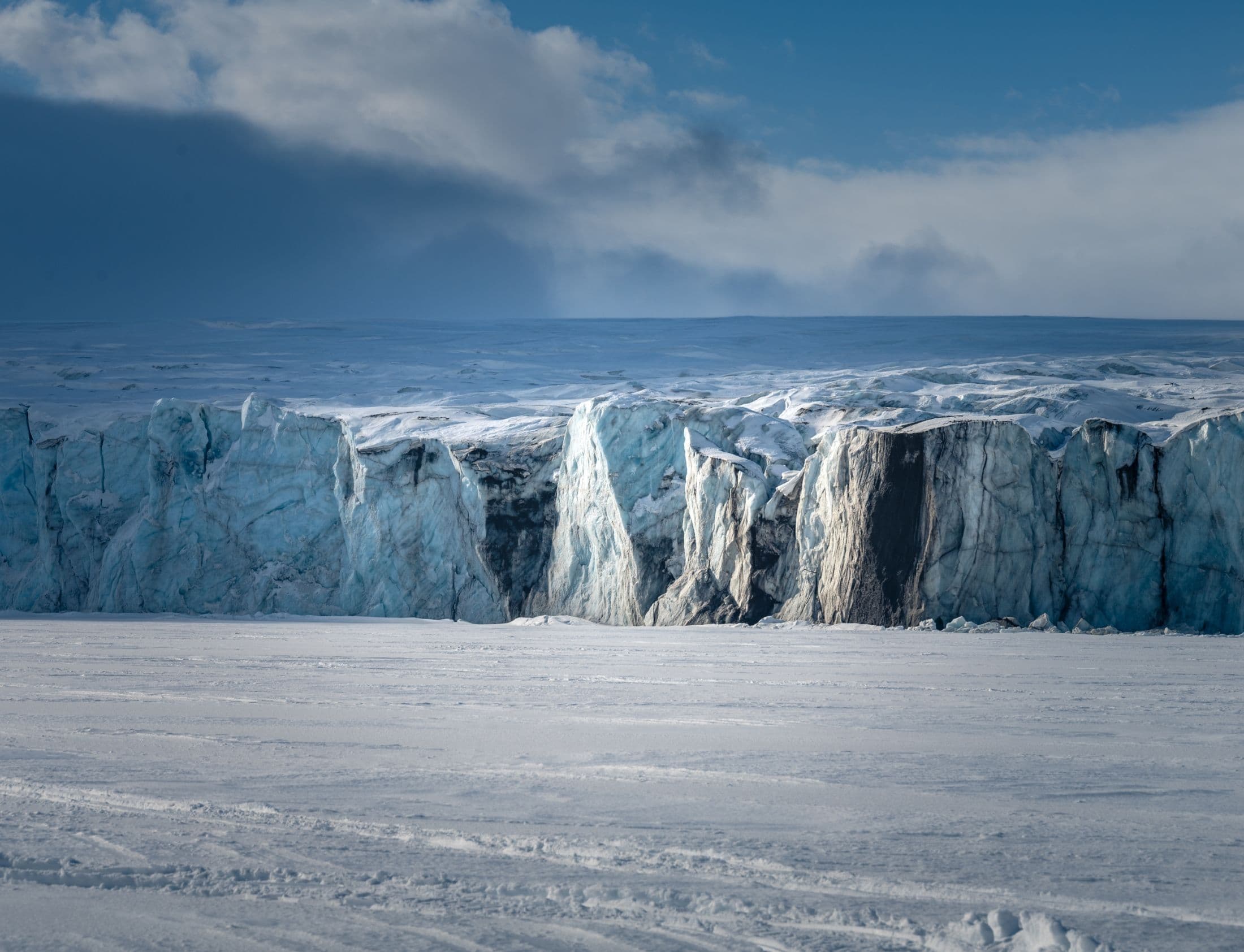
Two reports, Overshoot and the Cryosphere: Averting Global Meltdown and State of the Cryosphere 2026: The Cost of Overshoot, were released on 2 November 2026, ahead of COP31. The reports were brought out by the International Cryosphere Climate Initiative (ICCI) and the United Nations Environment Programme (UNEP).
What is the Cryosphere?
- Cryosphere refers to all parts of the Earth where water exists in frozen form.
- It includes glaciers, ice sheets, sea ice, snow cover, permafrost, and frozen lakes and rivers.
- It plays an important role in regulating the Earth's climate, maintaining freshwater supplies and supporting ecosystems.

What did the report reveal?
They identify the risks of irreversible ice loss, glacial floods and the release of carbon stored in frozen ground.
- Accelerated warming of frozen regions
- The Arctic warmed up to four times faster than the global average over the past decade.
- In the Hindu Kush Himalaya (HKH), global warming of 1.5°C could translate into regional warming of 1.8°C–2.2°C.
- The Greenland and Antarctic ice sheets are losing ice at approximately six times the rate recorded in the 1990s.
- Permafrost and carbon release
- About 15% of the Northern Hemisphere, covering approximately 14 million sq. km, is underlain by terrestrial permafrost.
- Permafrost contains at least 1,700 billion tonnes of carbon.
- Thawing permafrost can release stored carbon into the atmosphere as greenhouse gases, particularly carbon dioxide and methane.
- This can create a positive climate feedback loop: warming causes permafrost thaw, which releases greenhouse gases and contributes to further warming.
- Impact of exceeding the 1.5°C threshold
- Even a temporary overshoot of the Paris Agreement's 1.5°C temperature goal can cause large-scale and, in many cases, irreversible damage to:
- The reports call for limiting the magnitude and duration of temperature overshoot through rapid emission reductions and carbon removal.
- India-Specific Findings:
- A separate UN-led study titled Glacial Lake Outburst Flood Risks, Response Strategies and Adaptation Gaps in the Hindu Kush Himalayan Region examined GLOF events between 1835 and 2025 across eight Himalayan countries.
What should countries do?
The reports call for urgent action on two fronts:
Climate mitigation
- Deep reductions in greenhouse gas emissions.
- Faster transition away from fossil fuels.
- Limiting the extent and duration of global warming above 1.5°C.
- Scaling up carbon removal to reduce atmospheric carbon levels.
Climate adaptation
- Increase climate adaptation finance.
- Strengthen preparedness in glacier-dependent regions.
- Improve protection for vulnerable communities, infrastructure, and ecosystems.
- Strengthen responses to glacier-related disasters.
Conclusion:
Protecting the cryosphere requires rapid emission reductions and stronger adaptation. Limiting warming today is essential to prevent irreversible ice loss and protect vulnerable mountain communities.