History & Culture | GS I
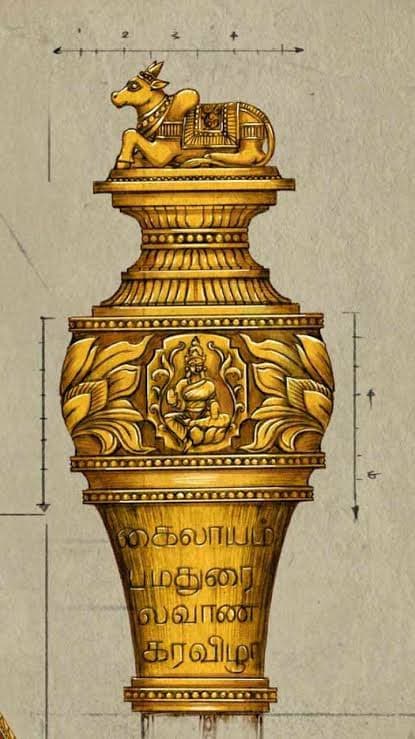
The Sengol has been included in the new NCERT Class 9 Social Science textbook, Understanding Society: India and Beyond – Part Two. The textbook presents the Sengol as a cultural marker of righteous governance and links its tradition to the Chola period.

What is Sengol?
- Sengol is a Tamil term for a ceremonial sceptre.
- The word is associated with the idea of righteous or just authority.
- The sceptre traditionally symbolised the responsibility of the ruler to govern according to dharma and ensure the welfare of the people.
- The practice of using a ceremonial sceptre has been associated with Tamil political and religious traditions, including accounts relating to the Chola period.
- The Sengol is topped by a Nandi, which has been interpreted as representing qualities such as justice and steadfastness.

What does this inclusion in NCERT say?
- The new textbook presents the Sengol as:
- A cultural marker of rulership and good governance.
- A tradition that, according to the textbook, has roots going back more than a thousand years, including the Chola period.
- A symbol associated with ethical responsibility rather than merely ceremonial authority.
- An illustration of the Indian conception of governance as a “sacred responsibility”.
- The textbook also connects the idea of righteous governance with Rajadharma, the concept of the ruler's duty towards society.
Why is Sengol relevant to Indian Culture?
The Sengol is important for understanding Tamil traditions of kingship and political authority.
The broader tradition associates the sceptre with the ruler's obligation to exercise just governance.
This connects with the concept of Rajadharma found in Indian political thought:
Authority → Dharma → Justice → Welfare of subjects
The NCERT textbook uses this broader idea to explain that governance in Indian traditions was viewed not merely as the exercise of power, but as a responsibility towards society.The Sengol provides an example of how political authority was expressed through material culture and ritual.
It brings together:
Tamil cultural traditions
Shaivite institutional traditions
Chola-era ideas of kingship
Ceremonial objects and rituals
Concepts of dharma and righteous governance
The political symbolism of India's Independence
It is therefore useful not merely as an object of political history, but as a case study in material culture and traditions of governance.
Conclusion:
The Sengol offers an opportunity to reconnect India’s rich traditions of ethical governance with the values of the modern democratic State. Its enduring relevance lies not in the sceptre as an object, but in the principle it represents that political authority is ultimately a responsibility towards justice, public welfare and the people.