Economy | GS II
Current Affairs
8 October 2026 5 min read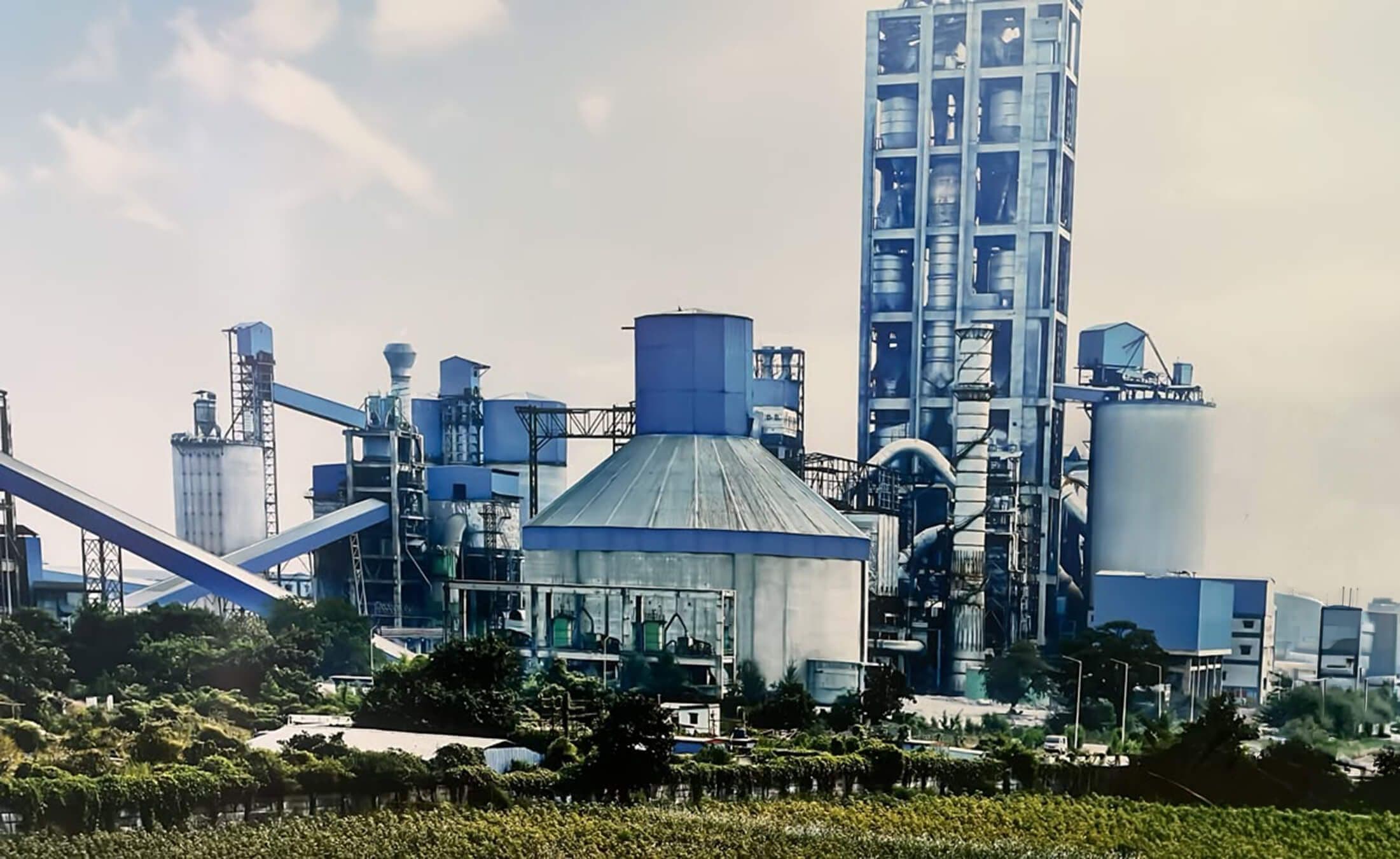
India’s cement demand is expected to rise sharply with urbanisation and infrastructure expansion. However, cement production is highly carbon-intensive because of limestone calcination and high-temperature clinker production, creating a major challenge for India’s net-zero 2070 pathway.
Why is cement so difficult to decarbonise?
- Cement is structurally emission-intensive
- Cement production requires heating limestone to very high temperatures.
- Calcination releases CO₂ when limestone (calcium carbonate) is converted into a clinker.
- Cement kilns also require temperatures of around 1,450°C, creating substantial process and energy emissions.
- Around 60–65% of cement-making emissions arise from the chemical breakdown of limestone during calcination, while the remainder is associated largely with energy use.
- Limestone extraction itself can damage forests and fertile topsoil.
- Demand for cement is set to expand
- India’s cement production is estimated to increase from around 334 million tonnes in 2019–20 to 1,546 million tonnes by 2070.
- Without substantial changes in production methods, rising demand could offset efficiency gains.
- Cement has deep construction linkages
- Cement and concrete remain fundamental to housing, roads, bridges and infrastructure.
- The sector therefore cannot simply be eliminated; decarbonisation has to occur while construction continues to expand.
Why are low-carbon alternatives still difficult to scale?
- High-temperature process: Cement production inherently requires very high temperatures.
- Process emissions: A large share of emissions comes from limestone chemistry rather than fuel combustion.
- Material availability: Fly ash and slag are useful substitutes but cannot meet all future cement demand.
- Cost: Low-carbon alternatives and carbon-capture technologies can be expensive.
- Construction standards: Developers and engineers often prefer conventional cement because its performance and supply chains are well established.
- Infrastructure dependence: Existing buildings and construction systems are designed around conventional cement and concrete.
- Alternative-material constraints: Traditional materials cannot simply replace cement across all forms of modern construction.
How can the cement industry reduce its carbon footprint?
- Reduce fossil-fuel dependence
- Cement plants can replace conventional fossil fuels with refuse-derived fuel (RDF) produced from processed municipal solid waste.
- RDF is shredded and sorted waste containing combustible material that can substitute part of the fossil fuel used in cement kilns.
- The roadmap discussed in the article recommends increasing the use of RDF and achieving 20% thermal substitution from municipal solid waste by 2030
- Reduce clinker content
- Increasing the use of fly ash, slag and other supplementary materials reduces the quantity of clinker required.
- Portland Pozzolana Cement (PPC) generally contains substantially less clinker than OPC.
- Greater clinker substitution directly reduces emissions associated with calcination.
- Improve waste segregation
- Effective RDF use depends on better segregation and processing of municipal waste.
- Improved waste management can therefore simultaneously address urban waste and industrial fuel demand.
- Explore carbon capture
- Carbon capture can address emissions that arise directly from limestone calcination and cannot be eliminated simply by switching fuels.
- However, high costs and technological requirements remain major barriers.
Conclusion:
India’s construction needs will continue to grow, but growth need not remain carbon-intensive. Cleaner energy, lower clinker use, alternative materials and circular resource use can align infrastructure expansion with India’s net-zero pathway.